
Bingo: A Timeless Game of Chance and Community
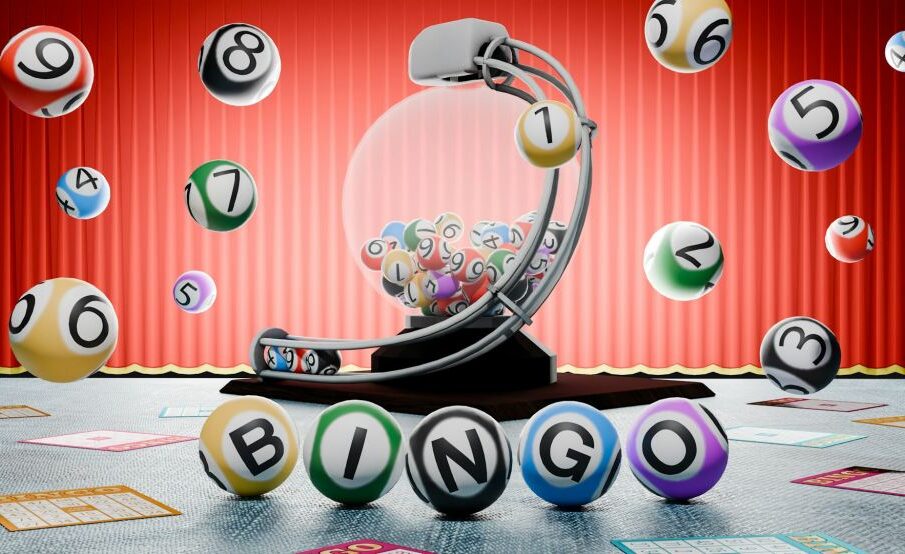
Bingo is more than a numbers game. It is a social pastime that has entertained generations across community halls, casinos, and digital platforms. Simple to play yet deeply engaging, bingo blends luck, anticipation, and human connection in a way few games manage to achieve.
What Is Bingo?
Bingo is a game of chance where players match randomly drawn numbers to those printed on their cards. The objective is to complete a predefined pattern—such as a straight line, full house, or special shape—and be the first to call out “Bingo!”
The game’s simplicity makes it accessible to all ages, while its structured randomness keeps every round unpredictable.
A Brief History of Bingo
Bingo traces its roots back to 16th-century Italy, where a lottery-style game called Lo Giuoco del Lotto d’Italia gained popularity. Over time, the concept evolved and traveled across Europe before reaching North America in the early 20th century.
Key historical milestones include:
-
Adaptation into a classroom learning tool in the United States
-
Adoption by churches and charities for fundraising
-
Expansion into casinos and online gaming platforms
Today, bingo exists in both traditional and modern forms, appealing to a global audience.
How Bingo Is Played
Despite regional variations, the core mechanics remain consistent.
Basic Gameplay Rules
-
Each player receives one or more bingo cards
-
Numbers are randomly drawn and announced
-
Players mark matching numbers on their cards
-
The first player to complete the required pattern wins
Common winning patterns include:
-
Horizontal, vertical, or diagonal lines
-
Four corners
-
Full card (often called a full house)
Types of Bingo Games
Bingo has diversified significantly, offering multiple formats to suit different preferences.
Popular Bingo Variations
-
75-ball bingo – Common in North America, featuring square cards
-
90-ball bingo – Popular in the UK and Australia, with three-row cards
-
80-ball bingo – A faster-paced hybrid format
-
Speed bingo – Short rounds designed for quick play
Each variation introduces unique patterns and pacing, keeping the game fresh.
Traditional Bingo vs Online Bingo
The rise of digital platforms has transformed how people experience bingo.
Key Differences
-
Traditional bingo emphasizes face-to-face interaction and community atmosphere
-
Online bingo offers convenience, automated number tracking, and flexible playtimes
Both formats share the same fundamental rules, but online bingo often includes added features such as themed rooms, chat options, and bonus rounds.
Why Bingo Remains Popular
Bingo’s enduring appeal lies in its balance of simplicity and excitement.
Reasons for its lasting success include:
-
Easy-to-learn rules
-
Social engagement and shared experiences
-
Low cost of entry
-
Suitable for casual and competitive play
For many players, bingo is as much about camaraderie as it is about winning.
Responsible Bingo Play
Although bingo is largely a game of chance, responsible participation is essential.
Best practices include:
-
Setting a clear budget before playing
-
Treating bingo as entertainment, not income
-
Taking regular breaks during extended sessions
Approaching the game with moderation ensures it remains enjoyable.
Frequently Asked Questions (FAQ)
What skills are needed to play bingo?
Bingo primarily relies on luck, but attention and quick recognition can enhance the experience.
Can bingo be played alone?
Yes, especially online, where players can join games individually without prior coordination.
Is bingo suitable for all age groups?
Bingo is generally suitable for adults, though age restrictions may apply depending on location and platform.
How many bingo cards should a beginner use?
Starting with one or two cards is recommended to avoid missing called numbers.
Are bingo odds the same for all players?
Odds depend on the number of players and cards in play, but each card has an equal chance.
Does online bingo use fair number generation?
Reputable platforms use certified random number generators to ensure fairness.
Can bingo help with social interaction?
Yes, bingo is widely recognized for encouraging communication and community bonding.


