How Betting Odds Reflect Risk and Probability in Sports
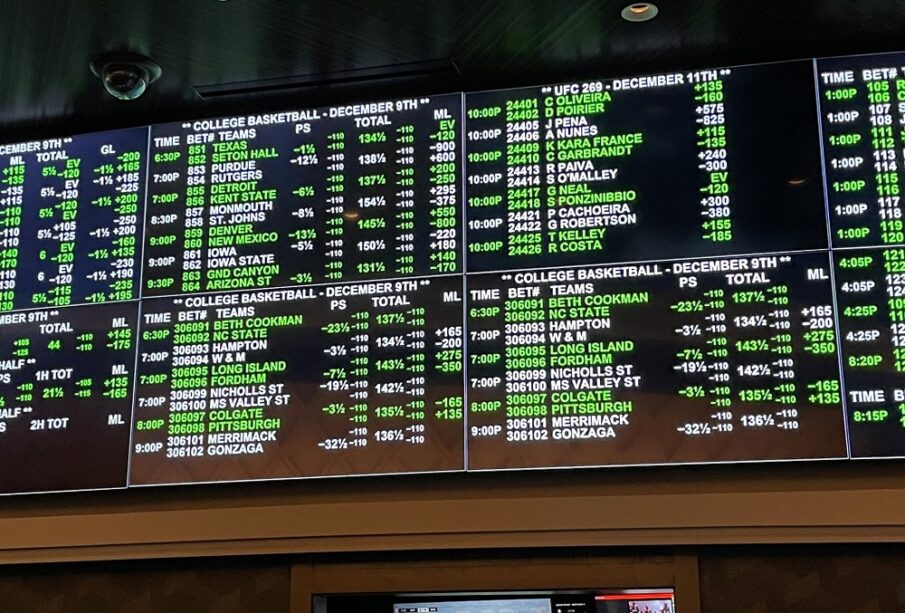
Betting odds are more than numbers on a screen. They represent a calculated balance between probability and risk, designed to predict outcomes while protecting bookmakers from excessive exposure. Understanding how odds work helps bettors interpret value, manage expectations, and make more rational decisions.
What Betting Odds Actually Represent
At their core, betting odds express two things at once:
-
The likelihood of an outcome
-
The potential reward for backing that outcome
Lower odds suggest a higher probability but lower return, while higher odds indicate lower probability paired with greater risk and payout.
Odds are not predictions of certainty. They are probability estimates adjusted for market behavior.
Probability Explained Through Odds
Every set of odds carries an implied probability, which estimates how likely an outcome is to occur.
Key ideas behind implied probability:
-
Short odds imply higher chances
-
Long odds imply lower chances
-
Total probabilities often exceed 100% due to bookmaker margins
Understanding probability helps bettors evaluate whether odds are fair or inflated.
Risk and Reward: The Core Relationship
Risk and reward are directly linked in sports betting. The greater the perceived uncertainty, the higher the potential return offered.
This relationship reflects:
-
Team or player inconsistency
-
Strength differences between opponents
-
External factors like injuries or weather
-
Public betting behavior
Odds increase when bookmakers want to balance risk exposure.
Why Favorites Have Lower Odds
Favorites are teams or players expected to win based on data and public perception.
Lower odds on favorites reflect:
-
Higher statistical likelihood
-
Stronger recent performance
-
Greater betting volume from the public
-
Reduced risk for bookmakers
However, lower odds also mean smaller profit margins for bettors.
Why Underdogs Offer Higher Odds
Underdogs carry greater uncertainty, which translates into higher odds.
High odds exist because:
-
Outcomes are less predictable
-
Betting volume is lower
-
Risk exposure is higher
-
Upsets are statistically less frequent
Underdog odds compensate bettors for increased risk, not higher certainty.
How Bookmakers Calculate Odds
Odds are created using a combination of data analysis and market dynamics.
Key factors involved include:
-
Historical performance statistics
-
Player availability and form
-
Head-to-head records
-
Betting patterns and market demand
-
Risk balancing across outcomes
Odds shift as new information becomes available.
Different Odds Formats and Their Meaning
Odds may appear differently depending on region, but the underlying logic remains the same.
Common formats include:
-
Decimal odds showing total return
-
Fractional odds expressing profit relative to stake
-
American odds indicating favorite and underdog positions
All formats communicate probability and risk in different ways.
Market Movement and Changing Probability
Odds are not static. They change as betting volume increases or new information emerges.
Reasons odds may shift:
-
High betting activity on one outcome
-
Injury or lineup announcements
-
Weather conditions
-
Late-breaking news
Market movement reflects changing perceived probability, not certainty.
Misinterpreting Odds: A Common Mistake
Many bettors mistake odds for guarantees or expert predictions.
Common misconceptions include:
-
Assuming low odds mean safe bets
-
Believing high odds imply hidden certainty
-
Ignoring bookmaker margins
-
Overreacting to short-term odds movement
Odds should guide decisions, not replace analysis.
Using Odds to Make Smarter Decisions
Informed bettors treat odds as informational tools rather than promises.
Effective use of odds involves:
-
Comparing odds across platforms
-
Evaluating implied probability
-
Identifying potential value gaps
-
Avoiding emotional interpretation
Odds provide insight, not assurance.
FAQs About Betting Odds, Risk, and Probability
Do betting odds predict exact outcomes?
No, odds estimate probability and balance risk; they do not guarantee results.
Why do odds sometimes feel inaccurate?
Odds reflect probabilities and market behavior, not certainty or hindsight accuracy.
What does value mean in betting odds?
Value exists when the implied probability is lower than realistic expectations.
Are higher odds always better?
Higher odds offer bigger returns but come with greater risk and lower probability.
Why do odds change after bets are placed?
Odds adjust to manage bookmaker risk and reflect new market information.
Can casual bettors understand betting odds easily?
Yes, with basic probability awareness, odds become easier to interpret.
Do bookmakers control outcomes through odds?
No, odds manage financial risk, not actual sporting results.